
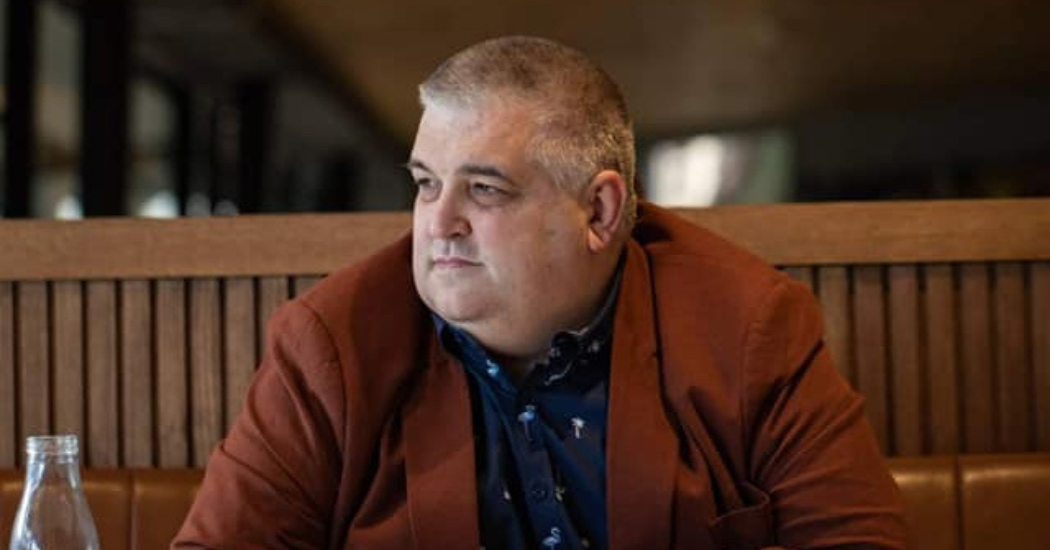
For most people, the world of global hospitality is something encountered from a distance, a beautifully plated dish, a signature hotel experience, or a culinary tradition glimpsed through travel programs and food festivals. But for Professor Gaven Ferguson, President of the World Association of Master Chefs (WAMC), it is the centre of a rapidly evolving international ecosystem: one shaped by education, skill development, cultural exchange, and the rising expectations of a global industry.
Since accepting the presidency in 2017, Gaven has guided the organisation through a period of unprecedented expansion. What was once a modest network of chefs and educators has, under his leadership, grown into a multinational association spanning over 62 countries, partnering with institutions, endorsing education providers, and supporting hundreds of hospitality-related programs and events.
“Global hospitality is a living organism,” Gaven says. “It grows, it adapts, and it depends on people. My job is to make sure the systems behind that growth evolve at the same pace as the industry itself.”
When Gaven took the helm at WAMC, the organisation faced a challenge familiar to many international associations: a strong cultural legacy, but uneven global influence. Regional partnerships varied widely, accreditation systems differed from country to country, and the education pathways available to young chefs and hospitality workers lacked a consistent global standard.
One of his first major initiatives was the Global Education Endorsement Program, a structured pathway designed to evaluate and endorse hospitality training providers across continents. Within two months of the program’s launch, seven institutions had already signed on. Today, the program reaches dozens of countries and acts as a benchmark for educational quality.
“Sunly Lo, the Chairman and I weren’t aiming to be the biggest association, we were aiming to be the most credible,” Gaven explains. “That meant building systems that educators could trust, and that employers would respect.”
During his presidency, WAMC has also launched the Executive Management Accreditation Program, an initiative targeting senior leaders in hospitality organisations. The program helps bridge the gap between operational experience and strategic leadership, a divide Gaven describes as “the most overlooked weakness in the global hospitality workforce.”
“We have some of the world’s most talented chefs as members,” he says. “But being an exceptional chef doesn’t automatically make someone an exceptional manager. We’re helping close that gap.”
The expansion of WAMC’s presence into 62 countries did not happen by accident. It was the result of years of relationship-building, diplomatic negotiation, and the strategic establishment of regional partnerships.
“Sunly and I spent a lot of time listening before we acted,” Gaven recalls. “Each region has its own challenges, cultural, financial, educational, and we wanted solutions that respected those differences.”
Over the past decade, WAMC has supported:
- 146 international events, competitions, and partnerships
- Cross-border chef exchanges
- Development of national and regional culinary associations
- Accreditation of schools and training centres
- Skills-development programs in emerging markets
The result is a more interconnected hospitality world, where young chefs from Asia, Europe, Africa, and the Middle East now share pathways, mentors, and opportunities that did not exist before.
During a recent interview, Gaven reflected on the philosophy driving his leadership. Below are excerpts from that conversation.
What does global culinary leadership mean to you?
“It means responsibility, not just for standards, but for people. Chefs work incredibly long hours. Students invest years of training. Entire cultures express themselves through food. If we can support that with stronger education, stronger systems, and stronger global networks, then we’re doing our job.”
What was the biggest challenge you faced as President?
“Rebuilding trust in regions where professional associations had been stagnant or fragmented. When I stepped into the role, some countries had no formal pathway for chefs to grow professionally. Others had systems that hadn’t changed in 20 years. We needed to modernise without losing the heritage.”
You often mention the ‘global chef identity.’ What do you mean by that?
“A chef in Vietnam and a chef in Italy live very different lives, but they share a commitment to excellence, creativity, and discipline. That universal identity is powerful. If we nurture it, we can elevate the profession worldwide.”
What are you most proud of?
“Seeing thousands of chefs and students benefit from programs we built from scratch. When someone graduates, gets promoted, or travels overseas because of an opportunity we helped create, that’s when it feels worthwhile. Mind you, having the opportunity to be mentored over so many years by Sunly is something I will forever be grateful for also.”
Driving Standards During a Time of Global Uncertainty
The hospitality industry faced massive disruption during the 2020/21 COVID-19 pandemic. Restaurants closed, events halted, and international training programs paused overnight.
Yet during this period, WAMC, guided by Gaven, pivoted quickly.
They moved accreditation assessments online, introduced virtual masterclasses, and launched digital resources to help unemployed chefs reskill. In collaboration with partner institutions, WAMC even supported alternative training pathways allowing students to complete assessments remotely.
“Crisis forces innovation,” Gaven says. “We had two options: shut down and wait, or adapt and grow. We chose to grow, but not at the expense of our members. During this time we did nto collect a single cent from members fees. We invested heavily back into the association instead, making sure we would come out on the other side.”
Education sits at the centre of Gaven’s leadership vision. Over the years, he has personally supported the development of training programs, curriculum redesign, and competency-based assessments across multiple countries.
His earlier work with WAMC Holdings International and educational institutions in Australia helped prepare him for the global complexity of his current role.
“I’ve always believed education is the most valuable currency in hospitality,” Gaven says. “It’s what turns passion into profession.”
A President Who Writes, Teaches, and Builds Theory
Beyond leadership, Gaven is also an author and theorist. His business book The Wisest Man in Giza introduces the Business Triangle, a model proposing that organisational success depends on balancing people, process, and performance.
When asked how this relates to his WAMC work, he smiles.
“Everything we build at WAMC follows the Triangle, even if no one notices,” he says.
People: our chefs and students.
Process: our accreditation, governance, and training systems.
Performance: the results, the growth, the opportunities.
If one side weakens, the whole structure suffers.”
His other title, The Business Procrastinator, explores productivity and leadership challenges in modern workplaces, reaching more than 12,000 readers to date.
Looking Ahead: What’s Next for Gaven and WAMC?

With WAMC’s global footprint now spanning much of Europe, Asia, Africa, and the Middle East, Gaven is turning his focus toward sustainability, not just environmental, but educational and cultural.

“Sunly and I talk about this a lot. We want to build programs that last decades, not years,” he says. “That means stronger partnerships with universities, more digital capability, and more pathways for young chefs to grow.”
Upcoming initiatives include:
- A global digital learning hub for hospitality professionals
- International chef mobility agreements
- Expanded leadership development programs
- Regional centres of excellence in emerging markets
Gaven believes the next era of global hospitality will require collaboration on a scale the industry has never seen.
“If we get this right, we’re not just training chefs, we’re shaping the future of a global workforce.”
Though Gaven is quick to credit his teams, regional directors, and industry partners, his influence on the hospitality world is unmistakable and his selfless motivation is admirable.
From reviving WAMC’s global presence to establishing robust educational frameworks in dozens of countries, he has quietly reshaped the organisation into a modern, internationally respected leader in culinary training and accreditation.
“I don’t chase titles, I chase progress,” he says. “If this industry is stronger because of the work we’re doing, then that’s what matters.”
With ongoing expansion, new partnerships, and a clear strategic vision, Gaven’s presidency continues to leave a deep imprint on the global culinary landscape, one grounded in education, opportunity, and the belief that hospitality is a universal language.


